
Technical notes — LSW Corp
01Technical notes
What we have learned.
Selection guides, drawings and test data from our engineers — the detail behind each product.
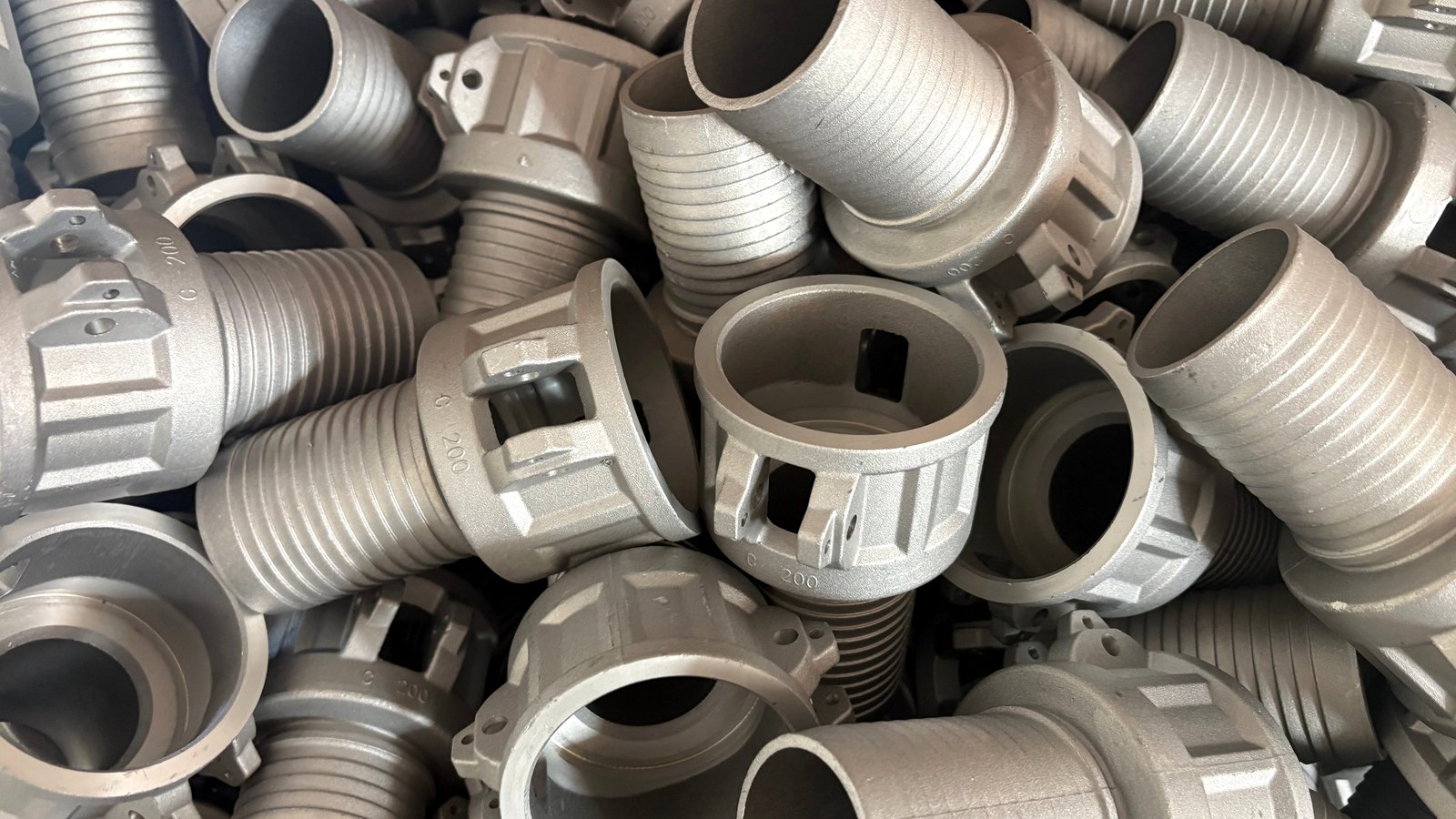 Capability
From raw casting to finished part: the die gives the shape, the lathe gives the tolerance
Die casting delivers the body in one shot. The thread, the sealing face and the concentricity come from cutting — and we do both on one line.
Read →
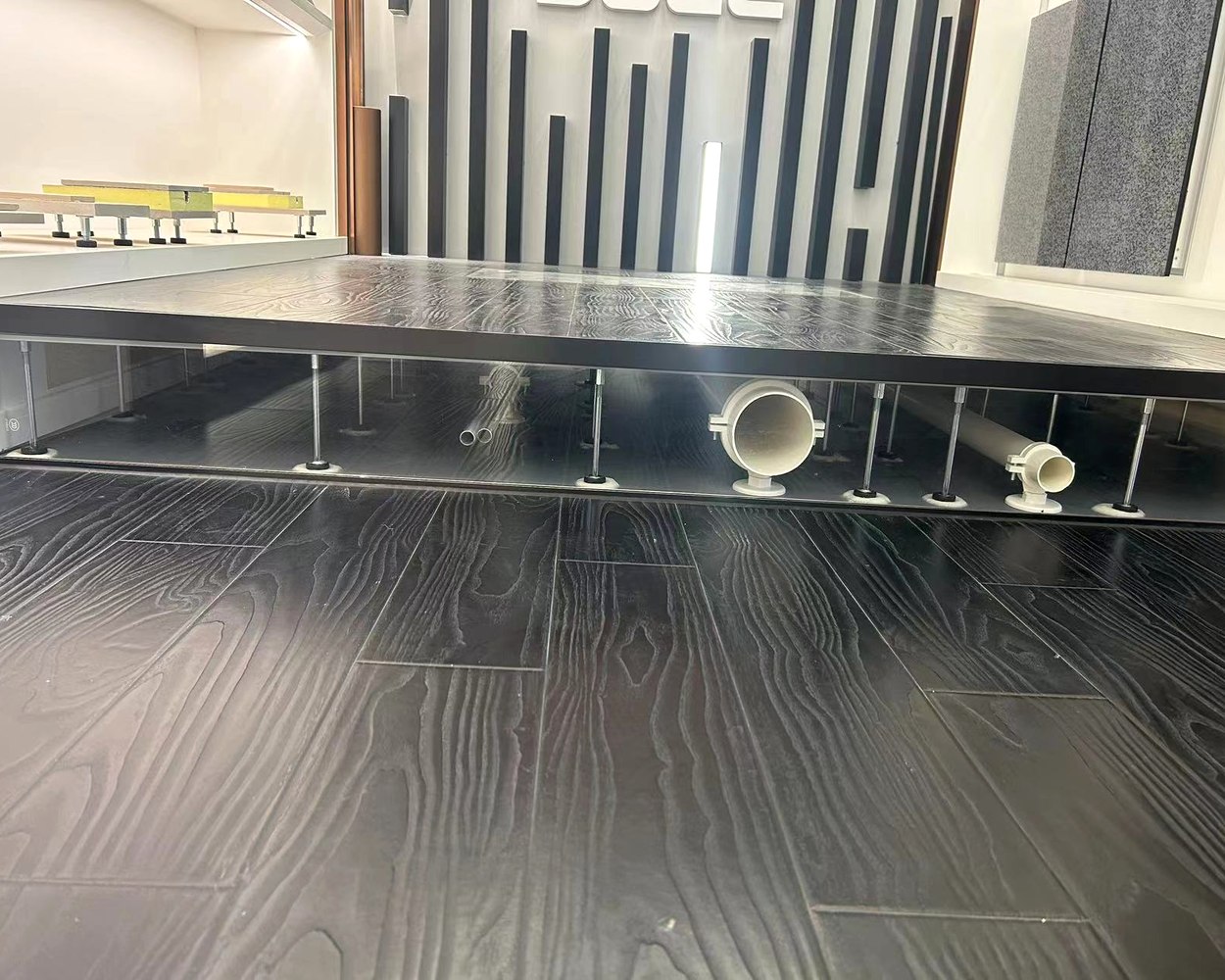 Installation
Dry raised floor: the nine steps that decide the finished level
A bolt-supported dry floor is installed in nine steps — set out, support modules, adhesive, cure, then the balance board. Most failures trace back to step three.
Read →
Comparison
43 kg or 192 kg per square metre: what a floor really weighs
An 80 mm concrete screed adds 192 kg to every square metre of slab. A 25 mm dry floor adds 43 kg. On a refurbishment that difference decides whether the structure can take it.
Read →
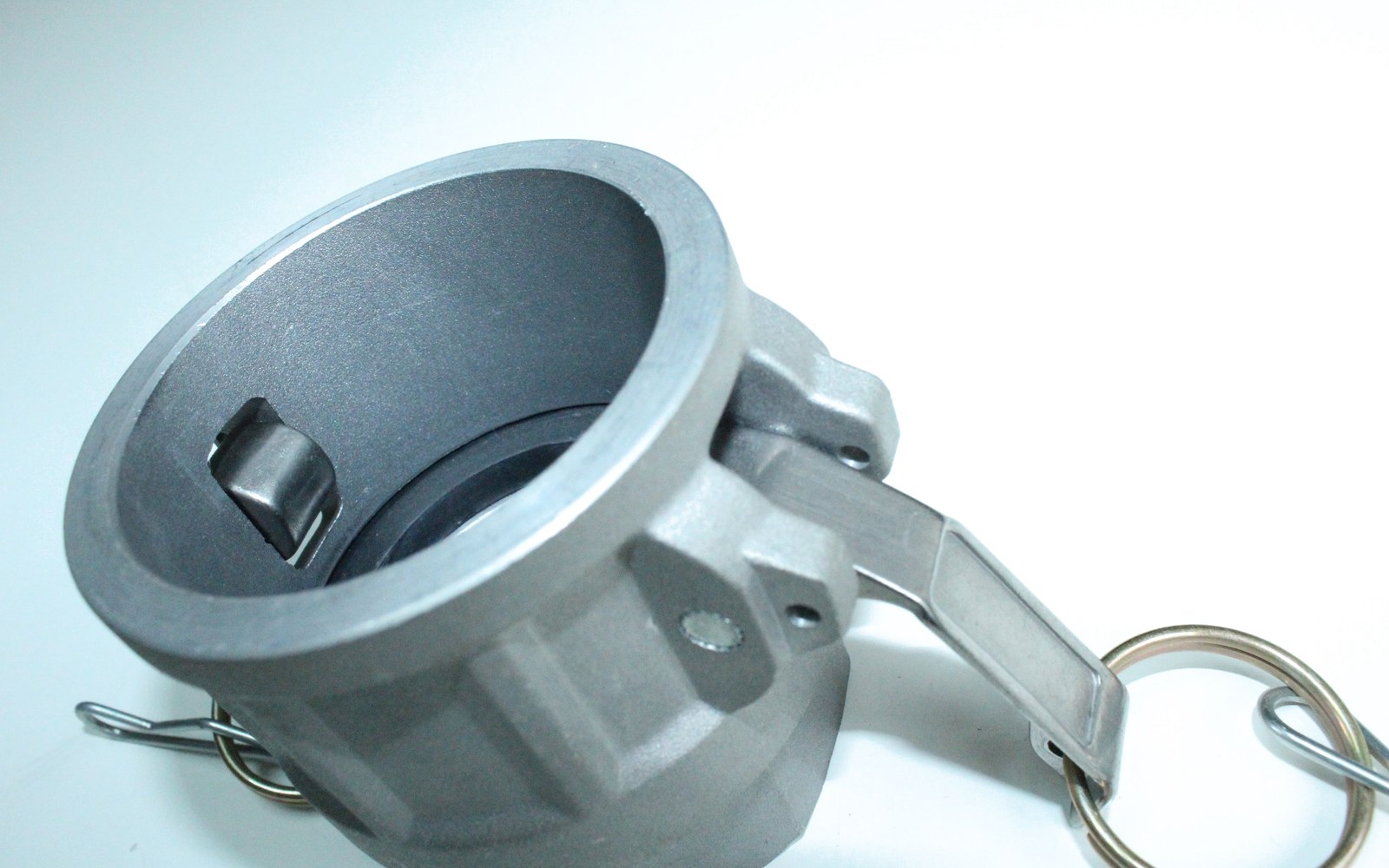 Capability
Ningbo die casting: from camlock couplings to data-centre hardware
We are an aluminium die-casting plant in Ningbo. Camlock couplings are one line; the same tooling and machining also serve housing, bracket and data-centre parts.
Read →
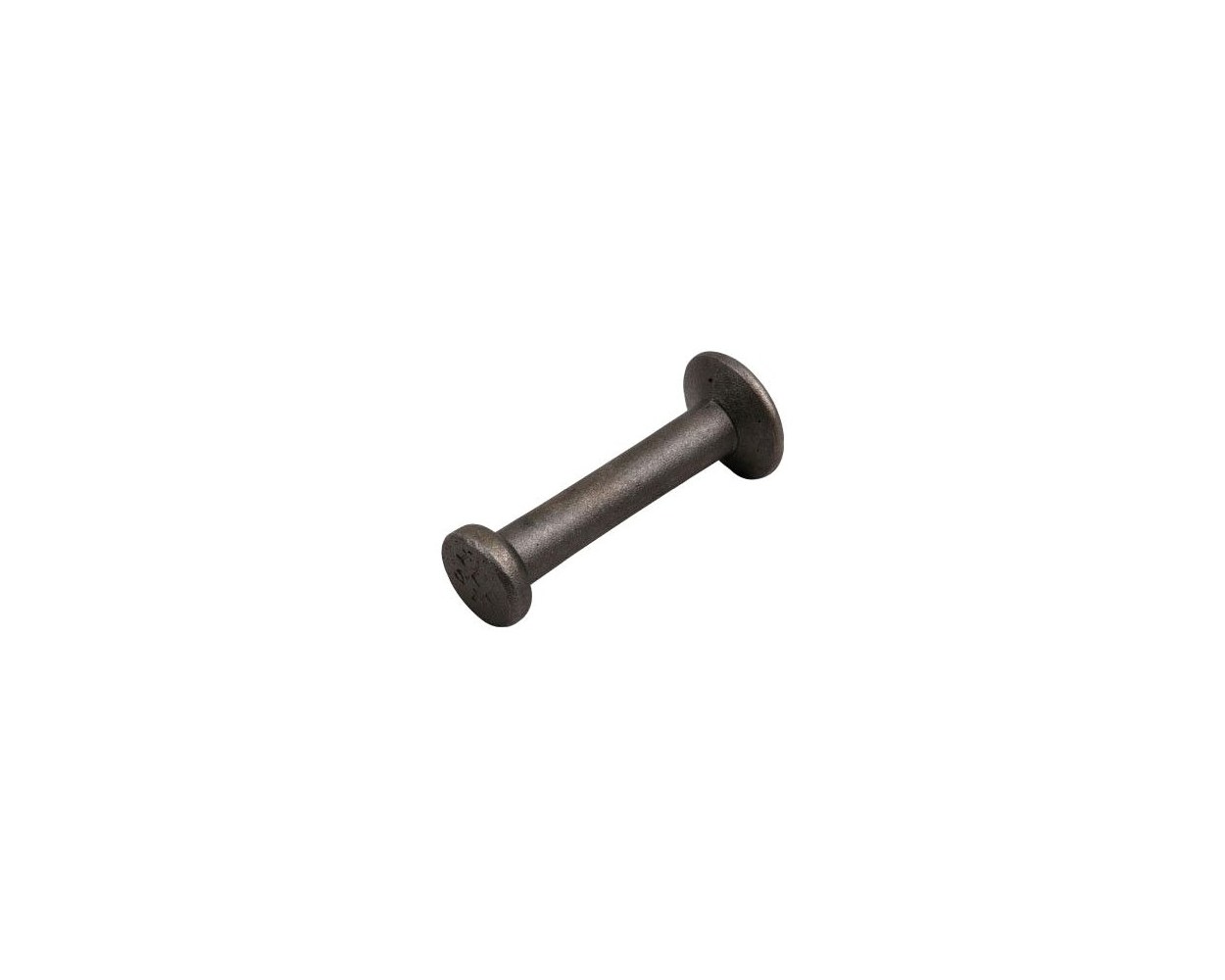 32 t foot anchors: forged and heat treated for bridge lifting
Foot anchors up to 32 t working load, forged and heat treated in-house — a working load few factories in China can supply for bridge segments and heavy precast.
Read →
 Comparison
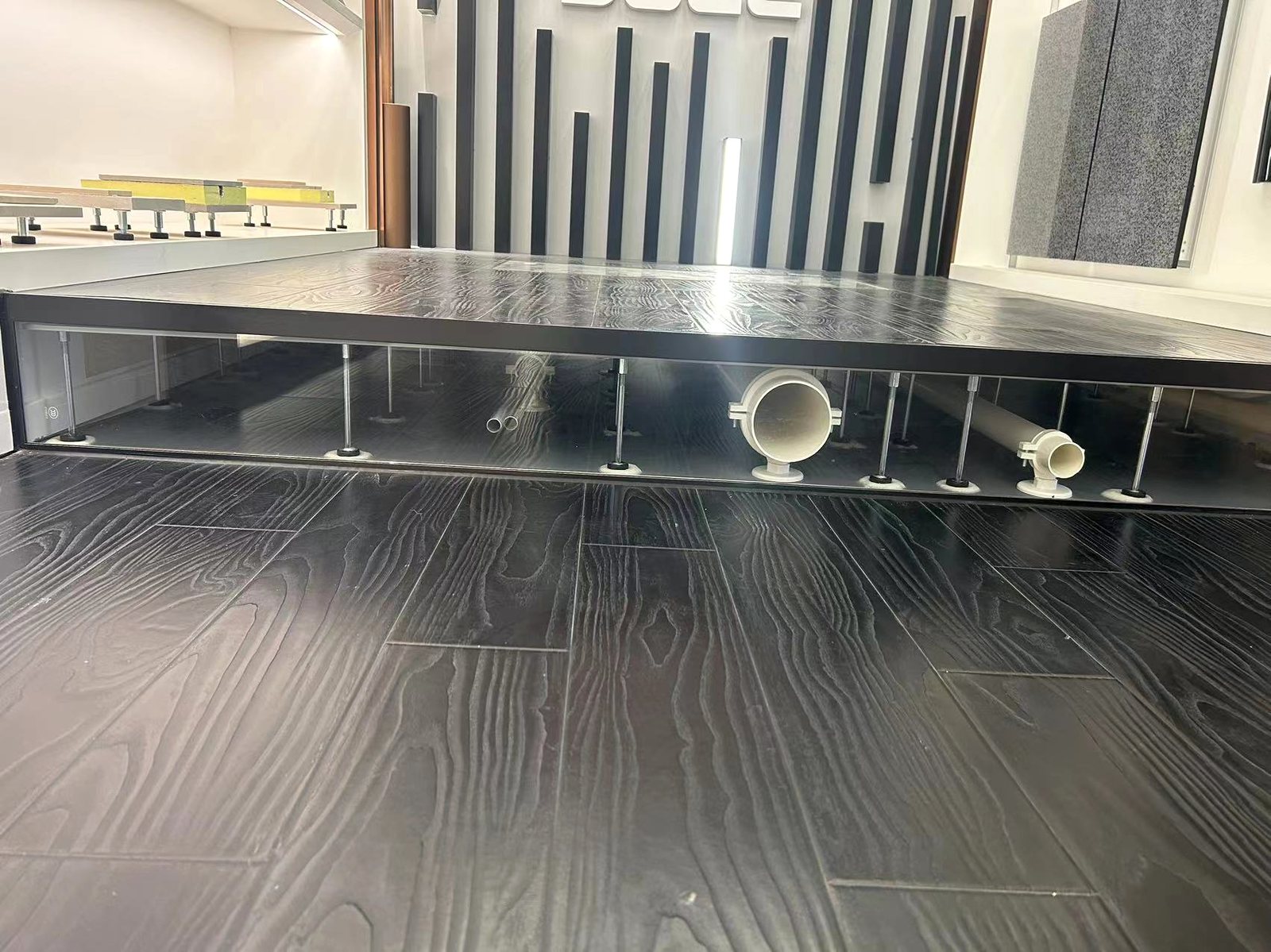
Raised dry floor or traditional screed: what changes on site
A screed needs water, curing time and a trench cut for every later cable. A dry raised floor arrives as panels on adjustable pedestals: walkable the same day, and the void stays open.
Read →
Selection
Worm-drive or quick-release: choosing a hose clamp that lasts
Two clamp types cover most engine and industrial plumbing. What decides between them is how often the joint is opened, and what the band is made of.
Read →
Construction
Why a double-cavity partition beats a single cavity
Two cavities with a board between them break the sound path twice. That is why a 122 mm stud wall can outperform a much thicker single-cavity wall.
Read →
Construction
Three details that make a 122 mm partition quiet
A double cavity is only the start. The seal at the board joint, the pre-punched service holes and the through-hole in the stud decide whether the laboratory number survives on site.
Read →
Selection
The 84 mm quiet partition: where it fits
Not every wall needs the full 122 mm build-up. The 84 mm system keeps the double-cavity principle in a thinner wall, for the rooms where space matters more than the last few decibels.
Read →
Construction
Why acoustic boards should clip in, not screw in
Screws are a hard point in a soft system. Clipping the middle board into the stud keeps the acoustic layer decoupled — and lets the wall be taken apart and rebuilt.
Read →
Construction
How the QU38 cross rail locks a partition together
The 38 × 12 mm rail passes through the stud, not beside it. That single detail ties the frame into a grid and gives services a defined route through the wall.
Read →